
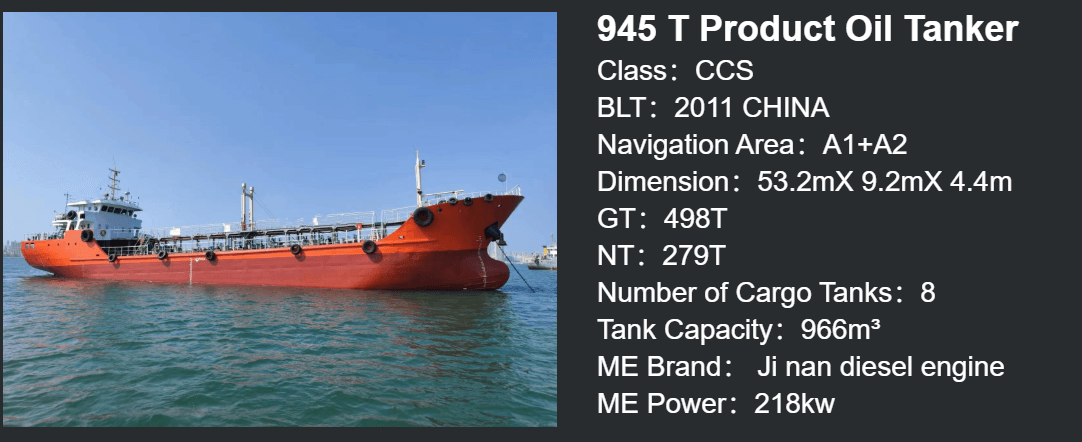
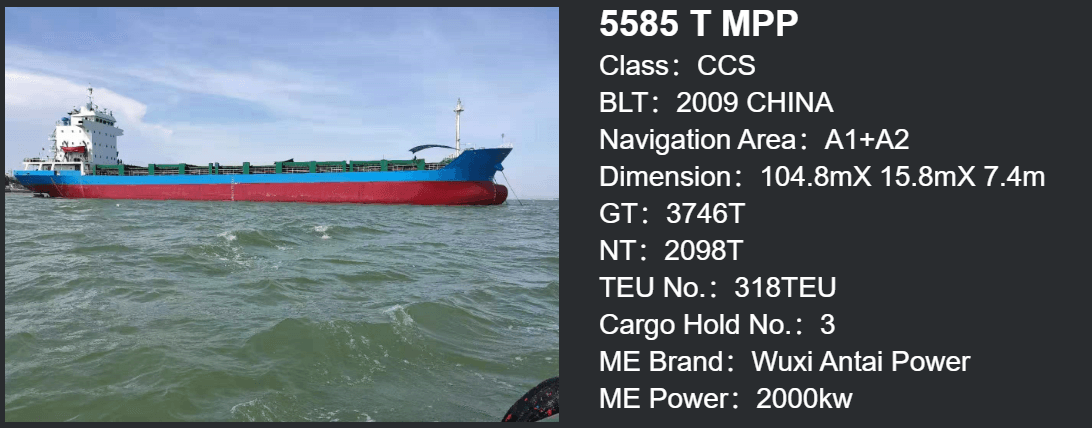
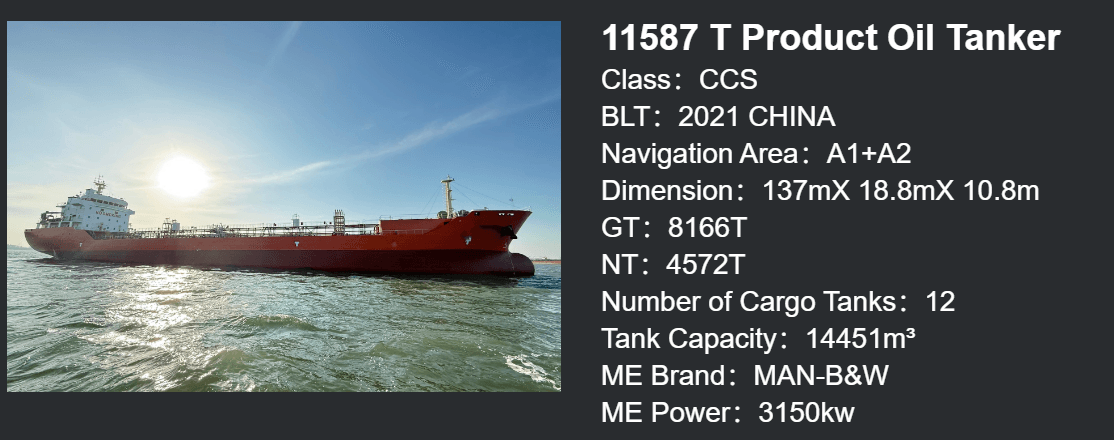
A diverse inventory of vessels is listed, including: Dry Bulk Carrier Liquid Cargo Ship Dredger, Reefer, Floating Crane, Floating Dock Barge, Offshore Vessel, Tug, Passenger Ship Sand Carrier, Scrapped Vessel Other Specialized Ships
🚢 Ships for Sale
When embarking on a journey to source products from China, one of the pivotal decisions you'll face is selecting the right sourcing agent. A sourcing agent acts as a bridge between you and manufacturers, ensuring smooth transactions, quality control, and logistical support. With countless agents available, identifying the right one can significantly impact your business operations.

Defining Your Needs
The first step in choosing a sourcing agent is to clearly define your business needs. Consider what products you are sourcing, the volume of goods, and your budget constraints. Knowing precisely what you need will help you filter potential agents who specialize in your industry and meet your specific requirements.
Take into account the level of involvement you expect from the agent. Do you need someone who merely connects you with manufacturers, or are you looking for comprehensive services that include quality inspections and logistical support? Understanding these aspects will streamline your search.
Research and Shortlist Potential Agents
Once you've outlined your needs, research potential agents. Use online platforms, business directories, and industry forums to gather a list of candidates. Pay attention to reviews and testimonials to gauge their reputation and reliability. Shortlisting agents with a proven track record in your industry can save you time and resources.
Check Their Experience and Expertise
Experience matters when it comes to sourcing agents. Look for agents with several years in the field and expertise in your specific industry. Experienced agents will have established networks with reliable manufacturers, which can be a significant advantage.
Ask potential agents about their past projects and request references. A reputable agent will be transparent about their experience and willing to provide testimonials from previous clients. This step is crucial in assessing their credibility and performance history.
Evaluate Communication Skills
Effective communication is vital in international trade. Ensure that the sourcing agent you choose is proficient in English and can communicate clearly and promptly. Miscommunications can lead to costly errors, so prioritize agents who demonstrate strong communication skills.
Consider Their Location
The geographical location of the sourcing agent can influence their effectiveness. Ideally, choose an agent based close to major manufacturing hubs in China. This proximity allows them to conduct factory visits, oversee production processes, and address issues swiftly.
Furthermore, local agents often have a deeper understanding of regional business practices and cultural nuances, which can facilitate smoother negotiations with manufacturers.
Assess Their Quality Control Measures
Quality control is a critical aspect of product sourcing. Inquire about the agent's quality control measures and how they ensure that products meet your standards. Some agents offer third-party inspection services as part of their package, which can be beneficial for maintaining product quality.
Compare Costs and Contracts
Finally, compare the costs associated with each sourcing agent. While price should not be the sole deciding factor, it's important to find an agent whose fees align with your budget. Be wary of extremely low fees, as they may indicate compromised service quality.
Review contract terms carefully before committing. Ensure that all services are clearly outlined and that there are no hidden charges. A transparent contract protects both parties and establishes a foundation for a successful partnership.
Conclusion
Selecting the right sourcing agent in China requires careful consideration of your business needs, thorough research, and evaluation of potential candidates. By following these steps, you can find an agent who not only meets your requirements but also contributes to the growth and success of your business operations.